Crypto Businesses

AI Mining Pools: NeuroHash Protocol Links Brainwave Activity to Blockchain Validation

Sunday, May 11, 2025 by Sojib

A team of neurotech engineers and blockchain developers have introduced a radical new concept known as NeuroHash, a decentralized protocol that utilizes brainwave signals as proof-of-work input for validating blockchain transactions. This mind-bending fusion of brain-computer interfaces (BCIs) and crypto mining could redefine human-computer interaction in the Web3 era.

AI Mining Pools: NeuroHash Protocol Links Brainwave Activity to Blockchain Validation

What Is NeuroHash?

NeuroHash is a proof-of-cognition protocol that allows users wearing certified EEG (electroencephalogram) headsets to contribute brainwave data while solving algorithmic puzzles that power blockchain validation. The system quantifies cognitive focus and pattern recognition to generate hash rates that correlate with neural activity.

Key Features

  • BCI-Driven Mining: Human attention, puzzle-solving, and memory recall drive the mining process.

  • Decentralized EEG Pools: Users can join mining pools based on their cognitive activity profiles.

  • NeuroTokens: Participants earn crypto based on “neural throughput” rather than electric power.

  • Privacy Layer: A zk-SNARK-style privacy protocol protects raw brainwave data.

Why It’s Unique

Unlike energy-intensive traditional mining or standard proof-of-stake, NeuroHash presents:

  • Zero Carbon Emissions: No electricity-intensive hardware required.

  • Inclusive Mining: Even users in low-tech areas can participate with a mobile EEG headset.

  • Brain-Based Identity: Individual cognitive signatures are difficult to replicate or fake, offering a potential new method for Sybil resistance.

Potential Applications

  • Cognitive eSports Tournaments: Competitive puzzle-solving for crypto rewards.

  • AI-Assisted Mining Bots: AI partners help boost focus and mental stamina for high-yield sessions.

  • Educational Incentives: Students can earn tokens by completing memory and logic challenges.

Challenges

  • Ethical Concerns: Critics argue this commodifies human cognition and risks mental health exploitation.

  • Data Sovereignty: Neurodata storage and ownership remain hotly debated.

  • Hardware Dependency: Widespread adoption requires affordable EEG devices with secure firmware.

Expert Reactions

Dr. Helena Cross, an ethics researcher in AI-human integration, said:

“NeuroHash is fascinating and frightening. It blends personal cognition with capitalism in ways we’ve only seen in sci-fi until now.”

Meanwhile, the tech investor Anton Dell tweeted:

“This is the Tesla moment for brain-computer interaction. NeuroHash could be the start of Proof-of-Humanity 2.0.”

What's Next?

The NeuroHash team is opening its beta test network this summer, with early EEG headset partners already lined up, including NextMind and NeuroSky. Initial mining competitions are expected to begin in September 2025.

As we enter an era where the mind becomes the miner, NeuroHash could signal a paradigm shift in how humans interact with decentralized systems—not just with their wallets, but with their thoughts.

Crypto Coral Reefs: ReefChain Launches to Protect Marine Ecosystems

Saturday, May 10, 2025 by Sojib

A groundbreaking new project, ReefChain, has launched with an ambitious mission: to save the world’s coral reefs using blockchain technology. By blending crypto incentives, marine science, and decentralized governance, ReefChain introduces a new way for global citizens to invest in the planet’s underwater biodiversity.

Crypto Coral Reefs: ReefChain Launches to Protect Marine Ecosystems

What is ReefChain?

ReefChain is a blockchain-based platform that tokenizes coral restoration projects around the world. Each token represents a real-world coral fragment or reef area under conservation. Users can buy, trade, or donate tokens, directly funding marine restoration efforts.

Key Features

  • Reef Tokens: Digital assets tied to GPS-tagged reef zones.

  • Impact Staking: Users lock tokens to support reef projects and earn yield from ecosystem-based rewards.

  • AI Monitoring: Underwater drones track reef health, uploading data to the blockchain for public transparency.

  • Community Governance: Token holders vote on which conservation projects receive funding.

Why It Matters

  • Environmental Impact: Coral reefs are vital ecosystems, home to 25% of marine life, but face mass bleaching and collapse from climate change.

  • Financial Innovation: ReefChain transforms conservation into an investable asset class, attracting ESG investors and crypto enthusiasts alike.

  • Global Participation: Anyone with a smartphone and a wallet can now support marine conservation.

Challenges

  • Verification Complexity: Ensuring that reef health data is accurate and tamper-proof.

  • Regulatory Hurdles: Navigating environmental laws and crypto regulations in multiple countries.

  • Market Volatility: Managing token price swings without compromising conservation funding.

Expert Insights

Marine biologist Dr. Aisha Patel comments:

“This could redefine how we fund conservation — aligning financial incentives with environmental stewardship.”

Crypto analyst Marco Lin adds:

“ReefChain taps into the rising demand for impact investing and gives the crypto space a much-needed ecological focus.”

What’s Next?

ReefChain plans to expand its pilot in the Great Barrier Reef, followed by projects in the Maldives and Caribbean. It’s also exploring NFT partnerships with digital artists to raise awareness through art.

This could mark the beginning of a new wave of crypto-powered environmental activism, where your digital wallet helps heal the ocean.

Quantum-Resistant Crypto: QShield Network Debuts to Safeguard Blockchain from Future Threats

Friday, May 9, 2025 by Sojib

As quantum computing inches closer to practical reality, the crypto world is facing an unprecedented challenge: quantum attacks that could break today’s encryption standards. Enter QShield Network, a pioneering blockchain protocol launched today that claims to offer quantum-resistant security — ensuring the longevity and safety of decentralized ecosystems.

Quantum-Resistant Crypto: QShield Network Debuts to Safeguard Blockchain from Future Threats

What Is QShield Network?

QShield Network is designed as a post-quantum blockchain utilizing lattice-based cryptography and multivariate quadratic algorithms — two of the most promising defenses against quantum decryption. Built by a team of cryptographers from MIT and ETH Zurich, QShield aims to become the first widely adopted quantum-secure blockchain.

Key Features:

  • Post-Quantum Encryption: Protects wallets, transactions, and smart contracts from Shor’s algorithm and quantum attacks.

  • Backward Compatibility: Offers tools to migrate existing crypto assets like Bitcoin and Ethereum to quantum-secure wrappers.

  • Adaptive Consensus: Uses a hybrid proof-of-stake model that can be updated as quantum capabilities evolve.

Why Does This Matter?

The rise of quantum computers poses a massive threat to current cryptographic systems, including:

  • Wallet Vulnerability: Private keys could be cracked in seconds.

  • Network Disruption: Quantum attackers could manipulate blockchain consensus.

  • Smart Contract Exploits: Quantum systems might break into locked contracts and DAOs.

QShield steps in as a proactive solution, not a reactive patch — aiming to future-proof decentralized finance, NFTs, and tokenized assets.

Challenges and Outlook

While promising, QShield faces several challenges:

  • Computational Load: Quantum-safe algorithms are notoriously slow and resource-intensive.

  • Adoption Hurdles: Migrating major ecosystems to QShield’s standard will require industry-wide coordination.

  • Public Trust: Convincing users to switch to a “problem that doesn’t exist yet” remains a marketing challenge.

Yet, early momentum is promising. Major exchanges like Kraken and Gemini are reportedly in talks to integrate QShield tokens, and several DeFi protocols are exploring hybrid deployments.

Expert Voices

Dr. Tobias Klein, a quantum cryptography expert, noted:

“We need to act now, not when quantum computers are already breaking things. QShield is one of the few projects addressing this head-on.”

Meanwhile, blockchain investor Sofia Marin predicted:

“QShield could become the insurance policy of the crypto world — a layer every major blockchain adopts over time.”

What’s Next?

QShield plans to launch a testnet migration toolkit by June 2025, followed by partnerships with NFT platforms and cross-chain bridges. For crypto holders, it may soon become crucial to assess whether their assets are quantum-hardened — or risk exposure to a technological wave few are prepared for.

Stay tuned as we track how this crucial innovation unfolds in the months ahead.

Blockchain Battle for the Skies: AeroDAO Launches to Decentralize Drone Airspace

Thursday, May 8, 2025 by Sojib

AeroDAO, a newly unveiled decentralized autonomous organization, is shaking up the drone industry by creating the world’s first blockchain-based airspace management network. This ambitious project aims to decentralize the coordination of drone flights, deliveries, and air traffic, addressing long-standing challenges around safety, efficiency, and regulatory compliance.

Blockchain Battle for the Skies: AeroDAO Launches to Decentralize Drone Airspace

What Is AeroDAO?

AeroDAO is a community-governed blockchain platform that lets drone operators, regulators, and even hobbyists coordinate and track flights through smart contracts. By removing centralized airspace authorities and replacing them with a distributed ledger system, AeroDAO promises greater transparency and reduced bureaucracy in the rapidly expanding drone economy.

Key Features:

  • Smart Airspace Contracts: Assigns and verifies flight paths automatically.

  • Real-Time Decentralized Tracking: Enables public and regulatory oversight without compromising privacy.

  • Incentives for Reporting Hazards: Community members can earn tokens for reporting hazards or unsafe operators.

  • Cross-border Integration: Allows drones to operate internationally by connecting with multiple jurisdictions on-chain.

Why Does This Matter?

The drone industry has exploded, with applications from package delivery and medical supply drops to agriculture and filmmaking. But with this boom comes the risk of overcrowded skies, accidents, and regulatory gridlock.

AeroDAO addresses this by:
✅ Streamlining flight approvals.
✅ Preventing airspace conflicts.
✅ Opening up economic opportunities in underutilized rural airspaces.
✅ Enabling automated emergency response using smart drones.

Challenges Ahead

While AeroDAO’s vision is bold, it faces some turbulence:

  • Regulatory Hurdles: Governments may resist surrendering airspace control.

  • Adoption Curve: Convincing commercial operators and hobbyists to join the DAO won’t happen overnight.

  • Technical Reliability: The system must handle thousands of simultaneous flights without fail.

Expert Opinions

Dr. Amara Lin, aviation tech expert, notes:

“AeroDAO could do for airspace what Bitcoin did for money — but it has to prove it can fly without crashing first.”

Meanwhile, drone operator Mark Reyes adds:

“If this works, it’s going to save me time, money, and a ton of regulatory headaches.”

What’s Next?

AeroDAO is piloting trials in the U.S., Japan, and Switzerland, with plans to onboard major delivery companies and municipal governments. The team is also launching an AeroToken to incentivize early adopters and fund ecosystem development.

Stay tuned — the race for the skies has officially moved on-chain!

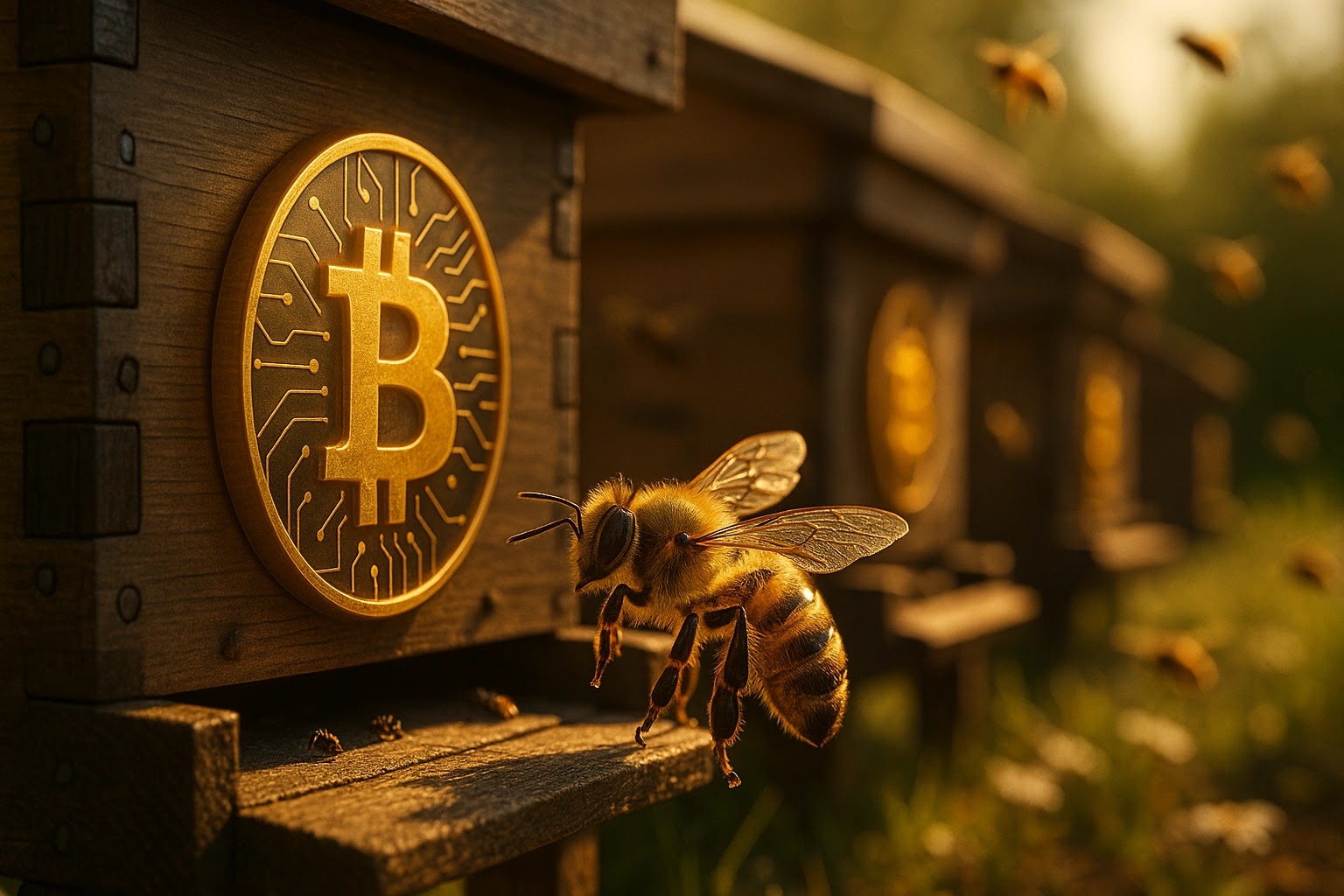
Crypto Beehives: How BeeChain Is Revolutionizing Pollinator Conservation

Wednesday, May 7, 2025 by Sojib

In a remarkable fusion of blockchain and environmental conservation, a new project called BeeChain has launched to incentivize the protection of pollinators worldwide. By using crypto tokens to reward beekeepers and conservationists for maintaining healthy hives, BeeChain aims to tackle the global decline in bee populations — a crisis threatening food security and biodiversity.

Crypto Beehives: How BeeChain Is Revolutionizing Pollinator Conservation

What Is BeeChain?

BeeChain is a blockchain-powered platform designed to monitor, verify, and reward beekeeping activities that promote pollinator health. Through a network of smart beehives equipped with IoT sensors, BeeChain tracks hive data like population size, honey production, temperature, and pesticide exposure. This real-time data is recorded on the blockchain, ensuring transparency and accountability.

Key Features:

  • Pollination Tokens ($BUZZ): A native crypto token awarded to participants based on the health and productivity of their hives.

  • IoT-Integrated Smart Hives: Automated monitoring enables precision beekeeping and reduces human error.

  • Data Marketplace: Researchers, governments, and agribusinesses can purchase anonymized hive data to improve pollination strategies and policies.

  • Community Governance: Token holders can vote on grants and initiatives to support bee conservation worldwide.

Why Does This Matter?

Bees are essential for pollinating about 75% of global food crops, yet they are under severe threat from habitat loss, climate change, pesticides, and disease. BeeChain introduces a financial incentive to protect these vital species, creating a win-win scenario for farmers, conservationists, and ecosystems.

  • Environmental Benefits: More hives mean improved crop yields, healthier ecosystems, and greater biodiversity.

  • Economic Opportunities: Small-scale beekeepers, especially in developing countries, gain access to new income streams.

  • Scientific Advancement: The data collected helps scientists better understand and combat the drivers of bee decline.

Challenges and Opportunities

While BeeChain’s vision is ambitious, it faces several hurdles:

  • Technical Complexity: Installing and maintaining smart hives requires training and resources.

  • Market Adoption: Encouraging farmers and policymakers to embrace crypto-based rewards takes time.

  • Scalability: BeeChain must ensure its platform can handle large-scale global deployments without compromising data integrity.

Yet the upside is enormous:

  • Global Expansion: Partnerships with agricultural cooperatives and NGOs could rapidly scale BeeChain’s impact.

  • New Financial Instruments: Bee-backed carbon credits or biodiversity tokens could emerge.

  • Public Engagement: Gamified apps and NFT honey jars may attract a broader audience to pollinator conservation.

Expert Opinions

Dr. Sofia Marin, a renowned entomologist, said:

“BeeChain is one of the most innovative responses I’ve seen to the pollinator crisis. It has the potential to align economic interests with ecological survival.”

Meanwhile, crypto analyst Liam Chen noted:

“This is a rare example of blockchain tech delivering real-world environmental value, not just financial speculation.”

What’s Next?

BeeChain is rolling out pilot programs in California, Kenya, and New Zealand, with plans to expand into Brazil and India by late 2025. Early reports suggest impressive hive survival rates and enthusiastic engagement from local communities.

As the world grapples with the twin crises of biodiversity loss and climate change, BeeChain offers a glimpse into how crypto innovation can drive grassroots environmental action — one bee at a time.

Stay tuned as we track BeeChain’s journey and its potential to reshape conservation economics!

Crypto Meets Climate: How GlacierDAO is Tokenizing Antarctic Ice for Climate Research Funding

Tuesday, May 6, 2025 by Sojib

In a truly rare convergence of environmental activism and crypto innovation, a new decentralized autonomous organization (DAO) called GlacierDAO has launched with the mission of tokenizing Antarctic ice reserves to raise funds for urgent climate research. This initiative aims to connect global crypto investors with the scientific community by allowing them to purchase fractional ownership of tokenized carbon-offset credits directly tied to glacier preservation.

Crypto Meets Climate: How GlacierDAO is Tokenizing Antarctic Ice for Climate Research Funding

What Is GlacierDAO?

GlacierDAO is a blockchain-governed organization that issues GLAC tokens, each representing a quantifiable share of carbon sequestration tied to protected Antarctic ice regions. Rather than focusing on speculative profits, the DAO's mission is to provide a direct funding pipeline for climate scientists, environmental NGOs, and Antarctic preservation efforts.

Key Features:

  • GLAC Tokens: Proof of stake tokens representing carbon-offset-backed assets.

  • Decentralized Governance: Token holders vote on how funds are allocated to research and conservation projects.

  • Carbon Offset Marketplace: Corporations can purchase GLAC tokens to meet climate pledges and reduce their carbon footprint.

  • On-Chain Transparency: All fund allocations, partnerships, and research milestones are visible on the blockchain.

Why Is This Unique?

While carbon credits have existed for decades, GlacierDAO introduces a decentralized, tokenized model that bypasses traditional intermediaries, enabling:

  • Global Participation: Individuals worldwide can invest directly in climate-positive actions.

  • Direct Scientist Engagement: Researchers submit funding proposals directly to the DAO, reducing bureaucratic delays.

  • Traceable Impact: Blockchain transparency allows investors to track the exact projects their funds support.

Challenges and Considerations

  • Regulatory Oversight: Tokenizing environmental assets raises legal and ethical questions about ownership of natural resources.

  • Market Volatility: Tying essential climate funding to a volatile crypto market introduces financial risks.

  • Environmental Ethics: Critics argue that financializing glaciers could commodify nature rather than prioritize conservation.

Despite these challenges, GlacierDAO has already garnered support from major environmental organizations and crypto philanthropists eager to test this radical funding model.

Expert Insights

Dr. Sofia Lundqvist, a climate scientist from Stockholm University, commented:

"GlacierDAO could revolutionize how we fund climate research, but it must avoid turning environmental stewardship into a speculative playground."

Meanwhile, DAO governance researcher Jason Wu noted:

"This is a fascinating case of using blockchain not for financial speculation but for collective environmental action."

What’s Next?

GlacierDAO has announced an upcoming initial token offering (ITO) in June 2025, with early partnerships already secured with polar research institutes and carbon accounting firms. Pilot projects include real-time glacier monitoring via IoT sensors and AI-driven climate modeling, funded entirely by token sales.

If successful, GlacierDAO could pave the way for a new class of environmental DAOs that harness crypto innovation for planetary-scale challenges, setting a precedent for how decentralized communities can take on global issues like climate change.

Stay tuned as we continue to cover GlacierDAO’s progress and its potential to reshape the intersection of crypto and climate action.

Solar-Powered Blockchain: The Rise of SunLedger in Decentralized Energy

Monday, May 5, 2025 by Sojib

In a groundbreaking development that merges renewable energy with cutting-edge blockchain technology, a new platform called SunLedger has officially launched. This decentralized network allows individuals, businesses, and even microgrids to trade solar energy credits directly with one another using smart contracts. This marks one of the most ambitious efforts to date in the global push for sustainable, decentralized energy markets.

Solar-Powered Blockchain: The Rise of SunLedger in Decentralized Energy

What Is SunLedger?

SunLedger is a blockchain-based platform designed specifically for managing and trading solar energy production at the local and regional levels. Unlike conventional energy trading systems that rely on centralized utilities or government-managed exchanges, SunLedger operates entirely on a peer-to-peer network where each participant can buy, sell, or store solar energy credits without intermediaries.

Key Features:

  • Smart Contracts for Automated Trading: Solar producers set the price, and contracts execute automatically when demand matches.

  • Solar Energy Wallets: Users hold energy credits in secure blockchain wallets, similar to cryptocurrency wallets.

  • Transparent Tracking: All transactions are immutably recorded, ensuring full transparency for regulators and consumers alike.

  • Microgrid Integration: Small communities or eco-villages can manage internal energy flows and surplus sales to neighbors or the broader grid.

Why Does This Matter?

The energy sector has long faced criticism for inefficiency, lack of transparency, and heavy reliance on fossil fuels. SunLedger introduces a decentralized solution that directly addresses several of these issues:

  • Environmental Impact: By incentivizing the generation and use of solar power, it reduces dependence on coal and gas.

  • Economic Empowerment: Homeowners and small producers can earn passive income by selling excess energy.

  • Grid Resilience: Distributed networks are less vulnerable to single points of failure, improving energy security.

Challenges and Opportunities

While SunLedger offers huge promise, it also faces notable challenges:

  • Regulatory Approval: Energy markets are highly regulated, and blockchain-based solutions must navigate complex compliance landscapes.

  • Technical Barriers: Widespread adoption depends on affordable smart meters and blockchain-friendly grid infrastructure.

  • Scalability: Handling millions of micro-transactions per day will test the limits of SunLedger's technical design.

Yet, the opportunities are vast:

  • International Expansion: Emerging markets with high solar potential but weak grids (like parts of Africa and Southeast Asia) could leapfrog directly into decentralized energy systems.

  • Integration with IoT: Smart home devices can optimize energy use and trading, boosting efficiency and savings.

  • Green Investment: Eco-conscious investors are already eyeing SunLedger tokens as a promising new asset class.

Expert Opinions

Dr. Mei-Ling Zhou, an energy economist at the University of Singapore, commented:

"SunLedger represents a paradigm shift. If successful, it could set the template for how renewable energy markets evolve in the next decade."

Meanwhile, startup investor Carlos Mendoza said:

"This is the kind of innovation we need to fight both climate change and energy inequality."

What Comes Next?

In the coming months, SunLedger plans to roll out pilot programs in California, Germany, and Australia. The company also announced partnerships with several smart meter manufacturers and a planned integration with major crypto exchanges, allowing for seamless conversion between solar credits and popular cryptocurrencies.

For early adopters, this could be the moment to get involved in a transformative intersection of green energy and blockchain that has the potential to reshape how the world produces, consumes, and thinks about power.

Stay tuned as we continue to cover this story and track how SunLedger unfolds on the global stage.

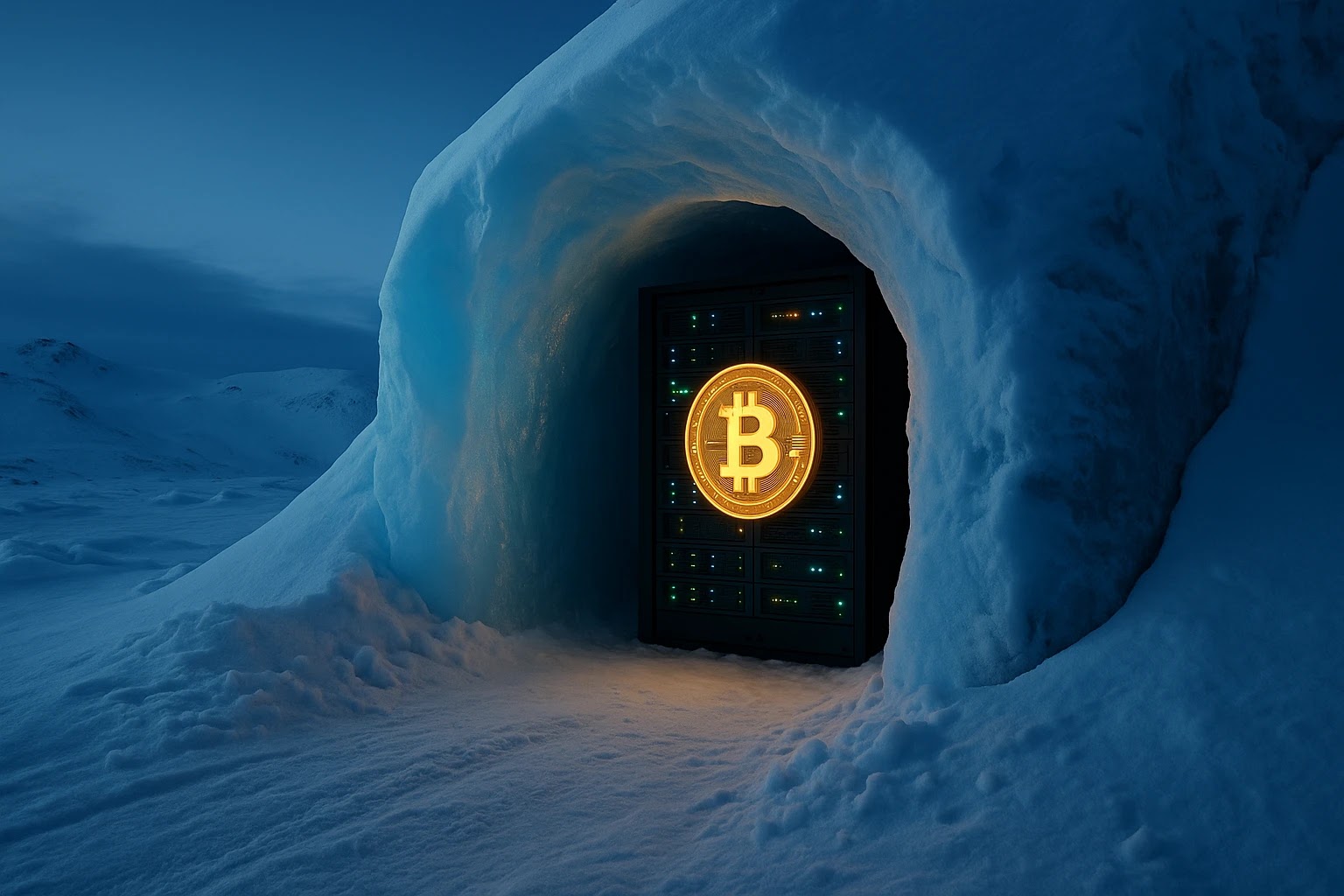
Arctic Crypto Vault: Greenland’s Ice Shelters First Cold-Storage Blockchain Node

Sunday, May 4, 2025 by Sojib

In a world-first blending of climate and crypto, a consortium of Nordic tech pioneers has successfully installed a cold-storage blockchain node deep within Greenland’s ice shelf. Called the Arctic Crypto Vault, this project uses the region’s naturally subzero environment to house sensitive cryptographic keys and blockchain data, providing an ultra-secure, power-efficient alternative to traditional server farms.

Arctic Crypto Vault: Greenland’s Ice Shelters First Cold-Storage Blockchain Node

The vault, carved into a natural glacial cave, requires no artificial cooling — cutting energy costs by up to 80% compared to standard cold storage systems. To guard against geopolitical risks, the vault operates as part of a decentralized global node network, enabling blockchain backups to survive even catastrophic events elsewhere on the planet.

Early applications include archival of rare digital assets, “deep freeze” storage for institutional crypto reserves, and experimental smart contracts designed to unlock only under extreme, verified climate conditions (like glacial melt measurements).

While environmental groups are watching closely to ensure minimal disruption to the fragile Arctic ecosystem, the Arctic Crypto Vault signals a new frontier: the literal fusion of ice and code.